Recombinant human selectins for cell adhesion research
| Product Name | Product Number | Unit Size | Price* (USD) As of 9/15/08 |
|---|---|---|---|
| Human E-selectin IgG | 51-005 | 60 mg | $445 |
| Human P-selectin IgG | 51-006 | 50 mg | $445 |
| Human L-selectin IgG | 51-007 | 50 mg | $445 |
Monoclonal antibodies for E-selectin detection and blocking
| Product Name | Product Number | Unit Size | Price (USD) |
|---|---|---|---|
| Anti-E-selectin Isotype: IgG1 (7A9) | 11-002 | 200 µg | $350.00 |
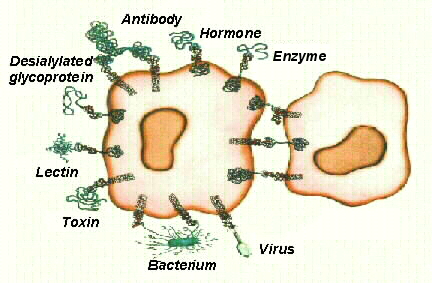
E-selectin is a cell adhesion molecule expressed on activated endothelial cells that mediates the interaction of tumor cells with the vascular endothelium. This interaction is a critical step in the metastatic cascade, facilitating tumor cell extravasation and secondary site colonization.
Research has shown that elevated E-selectin levels correlate with poor prognosis in various cancers including breast, colon, and lung cancer. Targeting E-selectin-mediated adhesion represents a promising therapeutic strategy for preventing metastasis.
P-selectin is stored in platelet α-granules and Weibel-Palade bodies of endothelial cells, rapidly mobilized to the cell surface upon activation. It mediates platelet-leukocyte and endothelial-leukocyte interactions critical for thrombus formation and inflammatory responses.
L-selectin is constitutively expressed on leukocytes and facilitates lymphocyte homing to peripheral lymph nodes. Together, these selectins orchestrate the complex processes of immune surveillance, inflammation, and cancer progression.
Blocking selectin-mediated adhesion has emerged as a novel therapeutic approach to inhibit metastasis. Anti-selectin antibodies, selectin antagonists, and carbohydrate-based inhibitors are being developed to disrupt tumor cell-endothelial interactions.
Preclinical studies demonstrate that selectin inhibition reduces metastatic burden and improves survival in animal models. Glycotech's recombinant selectins and neutralizing antibodies provide essential tools for advancing this promising field of cancer research.
Below is a list of our suggested products trusted by researchers worldwide.
SKU: 03025237029
Catalog: MBS1272016
SKU: 01025600671
Catalog: CSB-PA015963LB01HU_100ug
SKU: 01016878118
Catalog: HAPT-02-6H6-01MG
SKU: 01015865890
Catalog: PAC066Ra01-50ug
SKU: 01012324584
Catalog: A606602
SKU: 01013672021
Catalog: SFC-42126
SKU: 01018127490
Catalog: CSB-EP007677HU2-500ug
SKU: 01012611052
Catalog: cy003
High-quality monoclonal antibodies for cancer diagnostics and research
Our comprehensive panel of antibodies targets specific carbohydrate antigens expressed on various tumor cells. These antibodies are essential tools for immunohistochemistry, flow cytometry, and ELISA applications in cancer research and clinical diagnostics.
| Product Name | Tumor | Product Number | Unit Size | Price* (USD) |
|---|---|---|---|---|
| CA19-9 Isotype: IgG1 (GSLA-2) | Gastrointestinal and Pancreatic | 11-009 | 200 µg | $270.00 |
| DUPAN-2 Isotype: IgM (DUPAN-2) | Gastrointestinal and Pancreatic | 11-010 | 200 µg | $270.00 |
| Anti-GM3 Isotype: IgG3 (DH2) | Melanoma | 10-011 | 200 µg | $270.00 |
| Anti-Lex Isotype: IgM (BRA-4F1) | Leukemia | 10-008 | 200 µg | $270.00 |
| Anti-Extended Lex Isotype: IgG1 (GELF31) | Breast | 11-005 | 200 µg | $270.00 |
| Anti-Extended sialyl-Lex Isotype: IgM (FH6) | Ovarian | 11-007 | 200 µg | $270.00 |
| Anti-Ley Isotype: IgG2a (BR55) | Breast | 11-006 | 200 µg | $270.00 |
| Anti-Gb3 Isotype: IgM (1A4) | Lymphoma (B, Burkitt's) | 11-008 | 200 µg | $270.00 |
*Prices are for research use only. For bulk pricing, please contact us.
We help researchers find the best glycobiology products for their needs.
High-quality selectins and anti-selectin antibodies.
Expert assistance for your research needs.
Timely shipments worldwide.
Products Available
Trusted Partners
Technical Support
We partner with reliable suppliers to bring you the highest quality products.
Products: 2388
Products: 1212
Products: 1067
Products: 980
Products: 822
Products: 708
Contact our team today for expert assistance with your research needs.